
The future of work zone safety in California is evolving rapidly thanks to California work zone innovations. From AI road construction safety solutions to connected work zone California systems, new technologies are helping protect construction workers, motorists, and pedestrians while improving traffic conditions and reducing traffic crashes.
At California Traffic Safety, we are committed to helping agencies, contractors, and Caltrans workers stay at the forefront of roadway safety. By incorporating emerging technology, we can take a proactive approach to making work zones safer across the state. Learn more about our work zone services, traffic control devices, and signage solutions that support these innovations.
AI and Predictive Safety Systems
One of the most exciting california work zone innovations is the use of artificial intelligence (AI) in road construction. AI systems can monitor traffic conditions, lane closures, and roadside hazards in real time to identify high-risk areas before accidents occur. For example:
- Predictive hazard alerts can warn drivers about narrowed lanes, upcoming lane closures, or unexpected road work.
- AI-powered cameras and sensors track vehicle speed, distracted driving, and congestion patterns to help Caltrans engineers optimize traffic management techniques.
- Real-time worker location sensors reduce safety risks by alerting nearby vehicles and drivers if someone enters a dangerous zone.
These tools are part of a broader safe system approach that emphasizes prevention, minimizing risk, and protecting life over simply responding to traffic crashes after they happen.
Connected Work Zones in California
Connected work zones are a key component of california work zone innovations. By linking mobile applications, smart signage, and traffic monitoring systems, work zones become more dynamic and responsive to changing conditions. This connectivity allows for:
- Real-time communication between Caltrans workers, contractors, and motorists.
- Adaptive signals and warning devices that respond to traffic impacts, road conditions, and lane closures.
- Immediate reporting of accidents, injuries, or equipment issues to project managers and public information officers.
With connected systems, agencies like the California Department of Transportation can deploy safety programs more efficiently, address high-risk areas, and improve worker safety across multiple Caltrans districts.
Automated Vehicles and Work Zone Safety
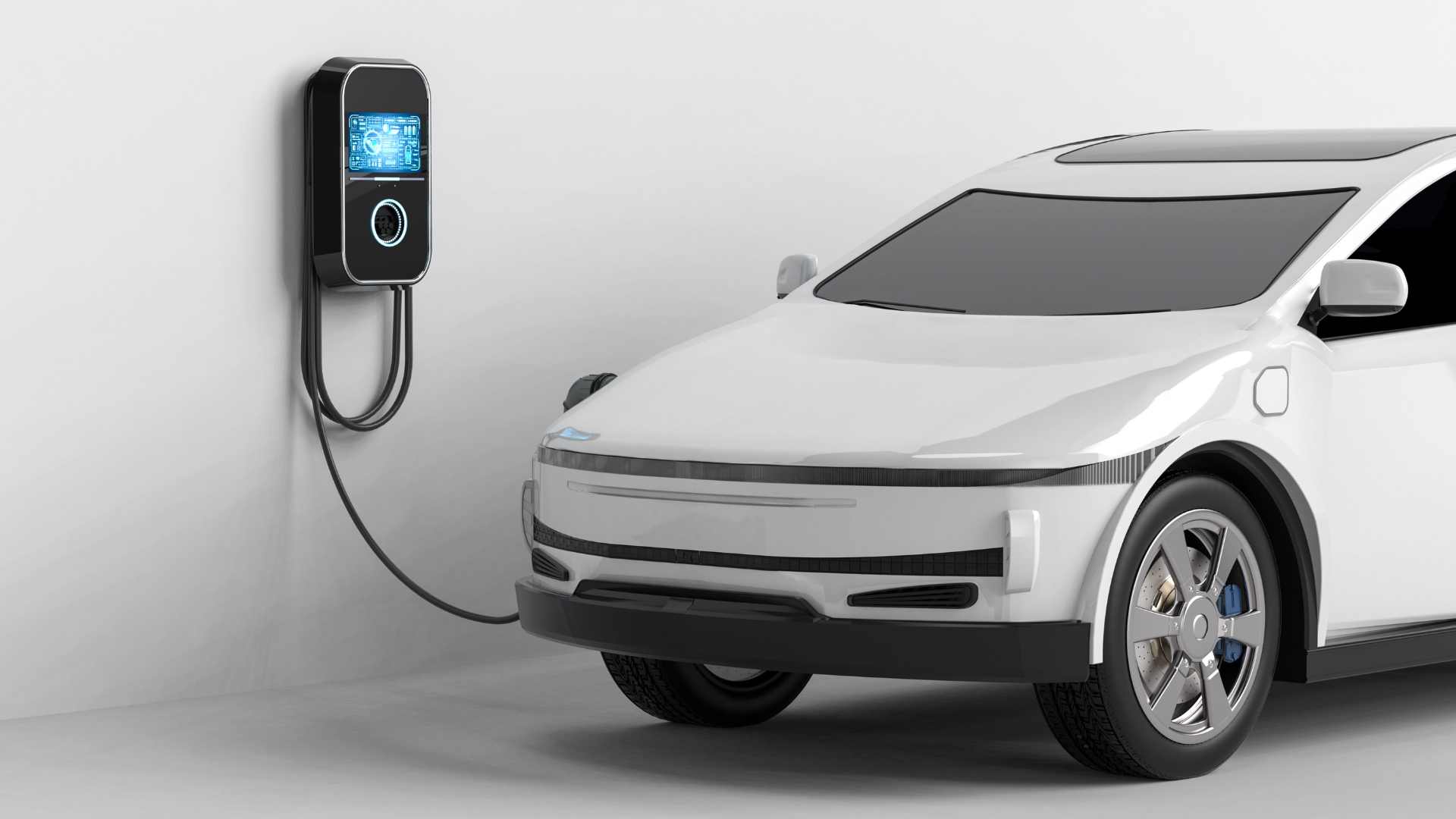
Automated vehicles (AVs) are another transformative technology for traffic safety in California work zones. AVs equipped with advanced sensors and AI can detect roadside hazards, workers, and barriers, reacting faster than human drivers. Benefits include:
- Reduced crashes caused by human error or distracted driving
- Better compliance with lane restrictions and narrowed lanes
- Enhanced public awareness campaigns by demonstrating safe driving behavior in high-risk areas
Integrating AVs with connected work zones California systems creates a cohesive transportation network, allowing Caltrans engineers and road managers to optimize traffic management techniques and reduce traffic impacts during road work.
Worker-Location Sensors and Safety Monitoring
Protecting construction workers is a primary goal of any roadway safety initiative. Worker-location sensors and wearable devices can:
- Alert vehicles when workers are near the lane
- Provide real-time tracking for Caltrans responders
- Log worker movement for later safety audits and project evaluation
This technology ensures that contractors and the California Department of Transportation maintain a proactive approach to worker safety, reducing injuries, and improving overall transportation system performance.
Mobile Applications for Real-Time Alerts
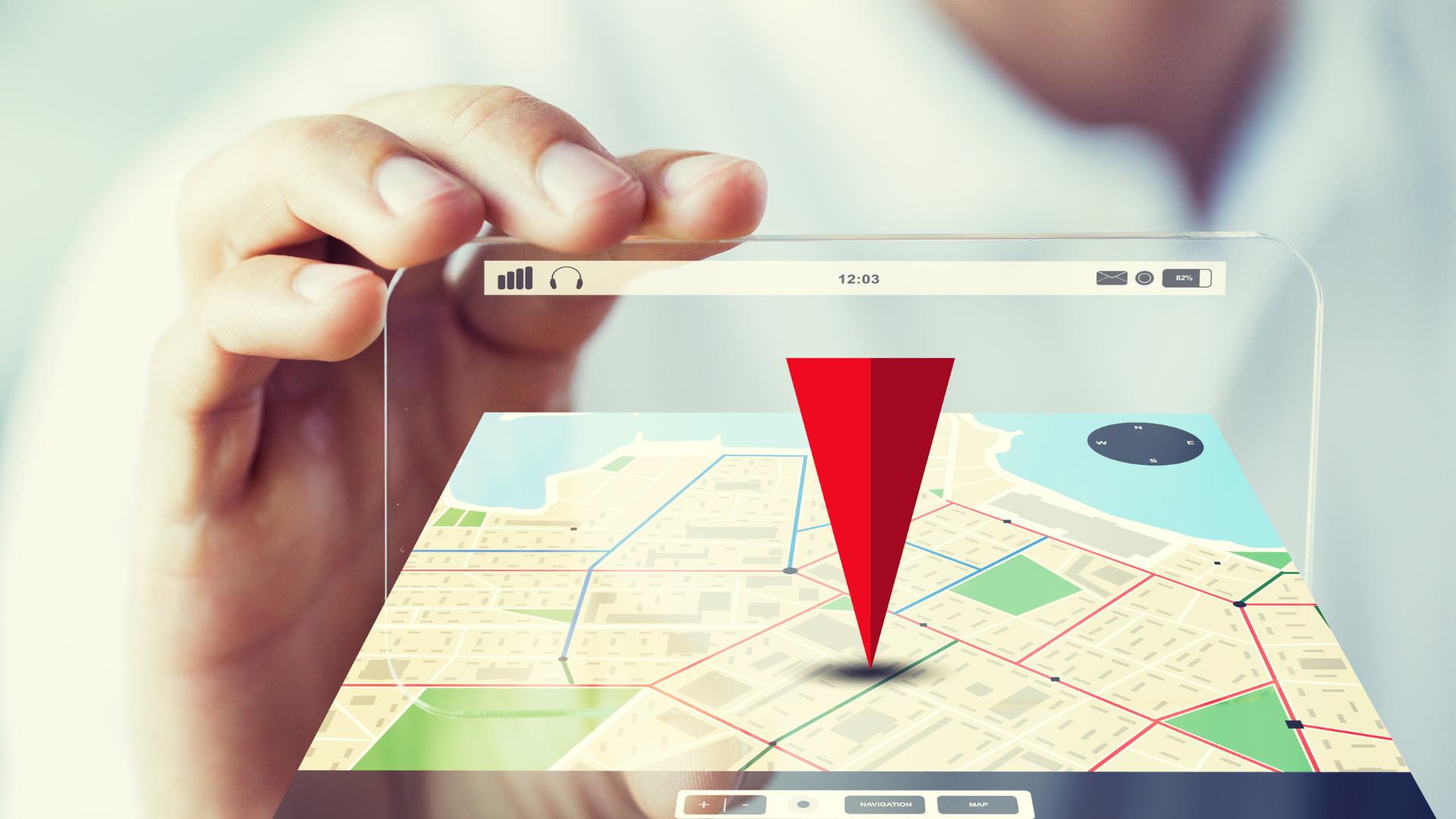
Another California work zone innovation is the use of mobile applications that provide drivers with updates about traffic conditions, lane closures, and construction delays. Google maps & Apple maps have these real-time alerts already in practice on their applications. These apps contribute to:
- Increased public awareness campaigns
- Reduced traffic impacts and accidents
- Better coordination between Caltrans districts, contractors, and maintenance crews
By providing drivers, pedestrians, and motorists with real-time information, work zones become safer and traffic safety is enhanced for everyone.
Data-Driven Safety Improvements
Research and data collection are essential for making work zones safer. Agencies like the National Safety Council and the California Highway Patrol use crash reports, traffic studies, and transportation system analytics to:
- Identify trends in road work-related crashes
- Determine the effectiveness of safety programs
- Guide the deployment of equipment, barriers, and traffic control devices
At California Traffic Safety, our services support these efforts by providing compliant signage, traffic control devices, and traffic management solutions that align with research-backed best practices.
Cost-Effective Safety Measures
While advanced technology might seem expensive, connected work zones and AI road construction safety solutions can be cost-effective over time. Preventing crashes, reducing lane closure delays, and minimizing injuries saves money on insurance, emergency response, and project downtime. Combined with real-time monitoring and mobile applications, these tools maximize safety without sacrificing efficiency.
Looking Ahead: The Future of Work Zone Safety
The future of California work zone innovations is bright. By combining:
- AI and predictive hazard alerts
- Connected work zone systems
- Automated vehicles
- Worker-location sensors
- Mobile applications
…we can create safer transportation systems that protect workers, motorists, and pedestrians. Caltrans engineers, contractors, and road managers can respond to traffic conditions, roadside hazards, and lane closures faster, ensuring the public health and safety of California’s roadways.
At California Traffic Safety, we are committed to supporting high-quality safety programs, equipment, and services that make every road work project safer. Explore our offerings to see how we can help you implement connected work zones California, traffic control devices, and other services that align with the latest California work zone innovations.
By embracing AI, sensors, and connectivity, California’s work zones will not only reduce traffic crashes but also enhance public awareness, protect lives, and improve transportation system efficiency for decades to come.


